

Best Time to Play BangBet Aviator for Nigerian Gamblers
Timing matters when playing BangBet Aviator 🎮. Discover the best moments for bigger ₦wins, top strategies, and how to play safe for a fun Nigerian experience.
Edited By
Clara Jenkins
Aviator hacks have become a growing concern, especially as digital platforms thrive in Nigeria’s booming tech scene. These hacks target online betting games like Aviator, where quick decisions and trust in the system dictate player success. Understanding how these hacks work, the risks they pose, and how to protect against them is vital not only for players but also for online gambling operators and financial institutions involved.
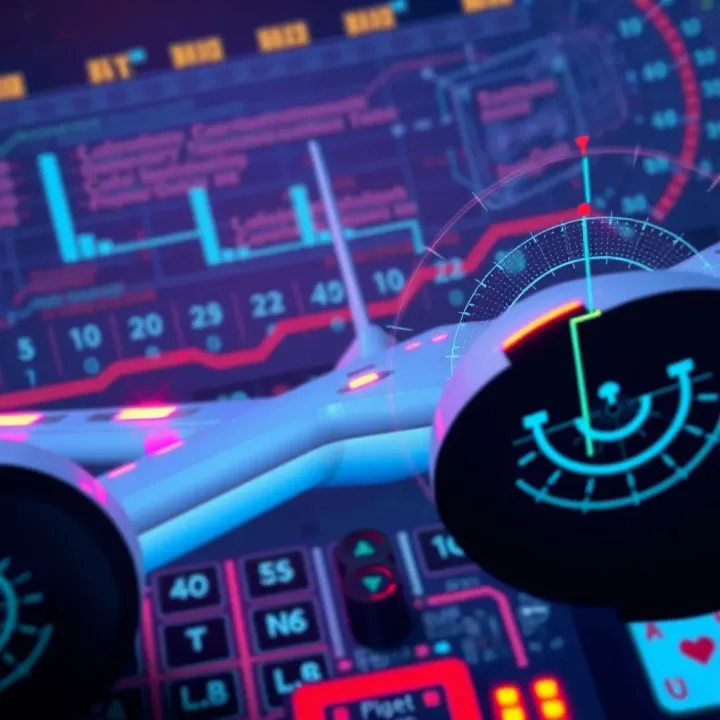
Put simply, aviator hacks involve attempts to manipulate or cheat the Aviator betting game through unauthorised access or exploitation of software vulnerabilities. Hackers might try to predict game patterns unfairly, interfere with random number generation, or breach player accounts to steal funds. In the Nigerian context, where many play these games using mobile money or bank cards, security lapses can lead to significant financial loss.
Phishing and Social Engineering: Cybercriminals impersonate operators or send fake links to capture login details.
Malware on Devices: Malicious apps can record keystrokes or intercept session tokens.
Exploiting Software Bugs: Some hackers search for flaws in the Aviator app or website to gain unfair advantages.
Account Takeover: Using stolen Bank Verification Numbers (BVN) or credentials to access accounts.
These methods take advantage of Nigeria’s relatively low cyber awareness and the popularity of mobile payment platforms.
Players should never share their login details or click links from untrusted sources. Always verify the platform's authenticity.
Losing money to a hack can ruin your trust in online betting or fintech services. For operators, hacks lead to regulatory scrutiny and heavy fines from the National Lottery Regulatory Commission or Consumer Protection Council. Moreover, there are legal consequences; hacking attempts fall under cybercrime laws enforced by the Economic and Financial Crimes Commission (EFCC).
The aviation betting platforms operating in Nigeria deploy various security protocols:
End-to-end encryption for transactions
Multi-factor authentication (MFA) for user access
Frequent software updates and patching
Monitoring transactions for suspicious activities
Banking apps linked with these platforms (e.g., GTBank's app, Paystack, Flutterwave) also maintain strict security layers to protect players’ funds.
In the following sections, we will explore further how players and organisations can stay ahead of hackers with practical advice and legal insights.
Understanding what constitute an aviator hack is key to appreciating its significance in modern aviation. At its core, an aviator hack refers to any unauthorised attempt to access or manipulate aircraft systems or aviation-related infrastructure. This includes both direct interference with onboard systems and breaches of critical aviation data. For stakeholders—from airline operators to passengers—recognising the scope of these threats helps in appreciating why constant vigilance and proactive security measures are necessary.
Aviator hacks cover a broad spectrum in aviation technology. Technically, this involves attacks on embedded systems within the aircraft, such as flight control computers, navigation tools like GPS, and communication links between the cockpit and ground stations. For instance, GPS spoofing can mislead pilots by falsifying location data, potentially causing navigation errors. On the ground, hacks may target airline reservation systems, airport operations, or air traffic control networks, all critical for smooth flight management.
In practice, this means that hacking is not just a matter of stealing data but can directly impact aviation functions. Events where attackers attempt to disrupt systems can lead to delays, cancellations, or worse, safety incidents. This broad scope underscores why both cyber and physical safeguards are essential.
Hacking aircraft systems involves meddling with the technological elements that enable the plane to fly, navigate, and communicate. Such threats pose immediate risks, like causing the autopilot to malfunction or jamming communication channels during flight. For example, interference with avionics software could destabilise an aircraft’s behaviour, endangering passengers.
On the other hand, aviation-related data breaches focus on the theft or corruption of sensitive information. Airport security databases, passenger personal details, and airline financial records are common targets. While these breaches may not directly affect a flight’s trajectory, they can compromise privacy, disrupt operations, and incur hefty financial losses. Nigerian airlines have seen several cyberattacks targeting booking platforms, resulting in identity theft and fraud. Each type of hack demands different defence strategies but is equally important for overall aviation security.
When hackers infiltrate aircraft systems, the greatest risk lies in passenger safety. Altering flight data, disabling alarms, or disrupting navigation can lead to dangerous situations. Although successful attacks on in-flight systems remain rare, the consequences could be severe. For example, a manipulated autopilot system might misguide the aircraft into restricted areas or unsafe altitudes. Aviation regulators now emphasise securing both software and hardware to prevent such scenarios.
Beyond safety, aviator hacks cause significant operational headaches. Even a small outage in airline databases or air traffic control systems can ground flights or force rerouting. This causes ripple effects such as missed connections, crew rescheduling challenges, and baggage mismanagement. Nigerian carriers are especially vulnerable given frequent infrastructural gaps. Financially, downtime amounts to lost revenues and additional costs—sometimes running into millions of naira—which could settle claims or purchase new security solutions.

Aviation is a critical sector for Nigeria’s economy and sovereignty. Compromise of aviation systems might serve as an entry point for broader cyber warfare or terrorism. Hackers could exploit weaknesses to disable airports during crucial periods like elections or public holidays, causing disorder or fear. Furthermore, foreign entities meddling with Nigeria’s airspace management can undermine national authority and risk lives. Hence, protecting aviation is not just about one airline or airport—it’s a matter of safeguarding the country’s security and international reputation.
Aviation hacks blend technology with security risks, making awareness and preventive action indispensable in today’s interconnected world.
Understanding these aspects lays a firm foundation for engaging with the next sections, where we unpack common hacking methods and the industry’s response strategies.
Understanding the common tactics hackers use against aviation systems is key for anyone looking to grasp the risks or work on security improvements. These methods target not just the planes themselves but also the critical infrastructure and data systems supporting the entire aviation network. Knowing these threats helps companies, regulators, and even passengers stay alert and react appropriately.
GPS spoofing and signal interference involves sending false GPS signals to aircraft navigation systems. In a practical scenario, a pilot receiving these fake coordinates could be misled about the plane's actual position, potentially causing dangerous course deviations. For instance, attackers might attempt this near busy Nigerian airports where airspace is congested, raising the risk of accidents or flight delays. Security teams monitor signals to detect and counter such interference, but the threat persists due to the inherent vulnerability of GPS technology.
Attacks on avionics software focus on exploiting bugs or vulnerabilities in a plane’s onboard systems responsible for flight control, navigation, and communication. If a hacker gains access remotely or through infected devices, they could manipulate these systems, causing disruptions or even endangering passengers. While modern aircraft often have isolated networks for safety, occasional software flaws still open doors. Nigerian airlines and maintenance teams must regularly update and audit their avionics software to close off such risks.
Exploitation of communication networks targets the transmission channels between aircraft and ground stations. Hackers might intercept, jam, or alter data exchanged during flights—such as radar information or pilot instructions. For example, an attacker could disrupt communication at busy Nigerian airports like Murtala Muhammed International to cause confusion or delay operations. Robust encryption and network monitoring help protect these communication lines against interception and tampering.
Breaches of airline databases involve cybercriminals accessing passenger data, booking information, and payment details stored by airlines. Such breaches not only risk identity theft but can also disrupt operations. For instance, a hacked reservation system might cancel flights or leak sensitive passenger data, causing reputational damage and financial loss. Nigerian airlines must prioritise database security through firewalls, multi-factor authentication, and data encryption.
Air traffic control system vulnerabilities represent a critical weak spot. These systems coordinate the safe movement of all aircraft within Nigerian airspace. Cyberattacks could paralyse radar displays or mislead controllers with false information. If that happens during peak traffic times, it could lead to severe safety risks or costly operational breakdowns. Ensuring updated software, secure access controls, and regular penetration testing remains vital for Nigerian aviation authorities.
Exploiting airport security technologies refers to hacking systems such as CCTV, access badges, and biometric scanners. Attackers who breach these controls could bypass physical security, sneak unauthorized devices into restricted areas, or tamper with safety equipment. For example, a compromised CCTV system at Lagos airport could allow criminal elements to go unnoticed or install spyware on critical infrastructure. Strengthening these technologies with layered security measures and regular audits helps minimise such vulnerabilities.
In aviation, where every link in the chain matters, an attack on any system can cascade into severe consequences. Practical awareness of these hacking methods feeds directly into robust defence strategies both on the technical and institutional levels.
The aviation sector faces increasing cyber threats, making it necessary to adopt robust protection strategies. The safety of passengers and the integrity of flight operations depend heavily on effective cybersecurity measures. Aviation systems combine complex technology with sensitive information, so even a small vulnerability can result in serious consequences. Understanding how the industry shields itself against hacking attempts offers insight into both challenges and solutions.
International aviation cybersecurity frameworks play a key role in setting a baseline for protection worldwide. Bodies like the International Civil Aviation Organization (ICAO) establish guidelines that member states follow, ensuring a standard approach to managing cyber risks. These frameworks cover everything from data protection to operational resilience, helping airlines and airports stay vigilant against evolving threats. For instance, requirements for encryption and incident reporting under these frameworks improve the speed and quality of responses to hacking incidents globally.
In Nigeria, aviation regulations integrate these global standards with local needs, enforced by agencies such as the Nigerian Civil Aviation Authority (NCAA). Compliance ensures that Nigerian airlines and airports meet minimum cybersecurity requirements, protecting critical infrastructure and passenger data. Regular audits and certification processes managed by NCAA drive continuous improvement across the sector. This alignment with international regulations is vital because Nigeria's aviation hub connects global and domestic routes, making the nation part of a larger security network.
Encryption and secure communication protocols form the backbone of aviation cybersecurity. Encrypting sensitive data between devices, aircraft, control towers, and administrative systems prevents interception by hackers. Secure protocols such as Transport Layer Security (TLS) and Virtual Private Networks (VPNs) shield communications during flight operations and ground logistics. This practice is particularly important for Nigerian airlines that handle increasing volumes of passenger and flight data on digital platforms.
Real-time threat detection systems add a proactive layer of defence by continuously monitoring networks and systems for unusual activity. These systems in airports and airline data centres catch cyber intrusions before they escalate. Tools utilising machine learning are increasingly common, analysing patterns to flag suspicious behaviour early. For example, detecting irregular access to air traffic control data helps prevent widespread disruption to flight schedules.
Regular software updates and audits ensure aviation systems stay ahead of hackers exploiting vulnerabilities. Cybercriminals often target outdated software for entry points. Aviation companies in Nigeria and beyond now schedule timely patches and conduct penetration tests to expose weak spots. Audits also evaluate adherence to cybersecurity policies, maintaining a strong defence posture.
Cybersecurity training for aviation staff is crucial because human error remains a significant security risk. Employees who manage booking systems, aircraft maintenance software, or passenger data must recognise phishing attempts, unsafe downloads, and other common attack vectors. Regular workshops and simulations help keep security top of mind. For example, Nigerian airport personnel familiar with cyber risks are better prepared to act fast when incidents happen.
Collaboration with law enforcement and cyber agencies strengthens the response framework. Agencies such as the Economic and Financial Crimes Commission (EFCC) and the Nigerian Computer Emergency Response Team (ngCERT) work closely with airlines and airports to investigate breaches and dismantle cybercrime networks. Sharing information on threats and vulnerabilities builds collective resilience. This partnership approach is essential because aviation cybersecurity is not only a technical matter but also a matter of national security.
Aviation’s digital safety depends on layers of regulation, technology, and human vigilance acting in concert. Each element reinforces the others to create a security net capable of withstanding current and future hacking attempts.
Understanding the legal and ethical dimensions of aviator hacks is vital for anyone dealing with aviation security or cybersecurity. These issues outline the boundaries between lawful security practices and criminal activities, ensuring safety without breaching rights or crossing into illegality. For industries and individuals alike, this knowledge informs policies and everyday actions that safeguard air travel and data.
Nigeria’s Cybercrimes Act 2015 criminalises unauthorised access to computer systems and data, which directly covers hacking activities affecting aviation. For instance, hacking into an airline's booking system or tampering with aircraft navigation software can lead to severe penalties including fines and imprisonment. The Act also covers offences relating to identity theft, fraud, and data breaches, which are relevant where aviation data like passenger details or flight plans are targeted.
The Nigerian Civil Aviation Authority (NCAA) enforces aviation-specific regulations that align with cybersecurity standards. Organisations are required to comply with these rules and maintain robust data protection measures. Violation of these can lead to licence suspension or costly penalties, affecting not only companies but also anyone involved in operational security lapses.
Aviation security has global importance, hence international laws tighten security across borders. The International Civil Aviation Organization (ICAO) mandates member states to pursue cybercrime aggressively, recommending harmonisation of legal frameworks. For example, if an attacker targets Nigerian airspace from abroad, extradition treaties between Nigeria and other countries enable prosecution of cybercriminals outside national borders.
Countries like the United States and members of the European Union maintain robust legal frameworks with stiff penalties for aviation cybercrimes. Nigeria cooperates within this international network, meaning hackers operating from Nigeria or against Nigerian aviation assets can face prosecution under foreign laws as well. This cross-border accountability deters cyber threats and promotes global aviation safety.
Protecting aviation systems often involves monitoring data and communications, which raises concerns about passenger privacy and data protection. Airlines and aviation authorities must ensure that their cybersecurity measures do not unlawfully intrude on personal information or violate data protection laws like Nigeria's Data Protection Regulation (NDPR).
This balance requires transparent policies that specify what data is collected, how it is used, and safeguards against misuse. For instance, installing surveillance on communication networks to detect hacking attempts should not lead to unauthorized access to passengers’ private conversations or financial details. Maintaining this ethical line strengthens public trust in aviation security.
Ethical hackers, often called white-hat hackers, play a critical role in aviation cybersecurity by finding weaknesses before malicious hackers do. They simulate cyberattacks on airline or airport systems to expose flaws, allowing timely fixes.
In Nigeria, ethical hacking is increasingly recognised within aviation firms and regulators as part of proactive defence. These experts must operate under strict legal agreements to avoid overstepping boundaries. Their actions provide tangible benefits by improving system resilience, yet they must respect privacy and legal frameworks to avoid creating additional risks.
Effective aviation cybersecurity demands clear legal rules and ethical responsibility. Organisations that understand these issues can better defend against aviator hacks while respecting rights and regulations.
By grasping both the legal penalties for hacking and the ethical backbone of cybersecurity, stakeholders—from tech experts to airline management—can collaborate on safer skies and more secure digital environments.
Taking practical steps to strengthen cybersecurity in aviation is no longer optional; it’s a matter of safeguarding lives, protecting assets, and maintaining trust. The aviation sector faces evolving cyber threats that can disrupt operations, compromise sensitive data, and endanger passenger safety. Therefore, clear actions by both aviation companies and the public are vital to building resilience.
Implementing comprehensive cybersecurity policies means creating clear rules and procedures that guide all digital activities within an aviation organisation. These policies should cover access controls, data protection, incident reporting, and regular audits. For instance, an airline could establish protocols requiring multi-factor authentication for systems controlling flight operations, reducing the chance of unauthorised access. It’s essential that these policies are not just documents but actively enforced and updated to reflect new threats.
Investing in technology and expert personnel is critical for staying ahead of hackers using increasingly sophisticated methods. Advanced firewalls, encryption tools, and intrusion detection systems form the backbone of technical defences. Equally important is hiring cybersecurity experts who understand aviation-specific risks. For example, Nigerian airports could deploy dedicated cybersecurity teams that monitor network traffic and respond swiftly to anomalies while training IT staff on aviation software vulnerabilities.
Continuous risk assessment and incident response planning prepare companies to identify potential security gaps before attackers exploit them. Regularly scanning systems helps detect weaknesses caused by outdated software or configuration errors. Moreover, having a solid incident response plan ensures quick action to contain breaches and inform stakeholders. Nigerian airlines that practise tabletop exercises simulating cyber-attacks tend to react better during real events, minimising downtime and reputational damage.
Protecting personal data when booking flights means being cautious about where and how you share information online. Always use official airline websites or trusted travel agencies, and avoid public Wi-Fi when making bookings. Storing payment details on unreliable platforms can expose you to theft. For example, using secured payment options provided by platforms like Paystack or Flutterwave adds a layer of safety.
Spotting and avoiding scams related to aviation requires recognising signs of phishing, fake websites, or false ticket offers. Scammers often send emails claiming urgent flight changes or cheap deals to steal money or data. If a message or offer looks too good to be true, double-check with the airline directly. Nigerian travellers have reported cases where fake booking confirmation mails led to financial losses, so being sceptical protects you.
Reporting suspicious digital activities helps authorities take swift action to prevent or stop attacks. If you notice unusual emails, phone calls asking for sensitive flight details, or any suspicious behaviour on airline apps, inform customer service or relevant security agencies. Public vigilance forms a vital line of defence, especially in interconnected systems where one breach can cascade.
Prioritising practical cybersecurity measures across all stakeholders reduces risks and builds confidence in the safety and reliability of Nigerian aviation services.
By adopting these clear steps, both aviation companies and passengers contribute to a safer, more secure flying experience in Nigeria and beyond.
Timing matters when playing BangBet Aviator 🎮. Discover the best moments for bigger ₦wins, top strategies, and how to play safe for a fun Nigerian experience.

⚽ Explore Nigeria's booming sports betting market, top platforms, legal insights, potential risks, and tech impact to bet safely and smartly in ₦ naira economy.
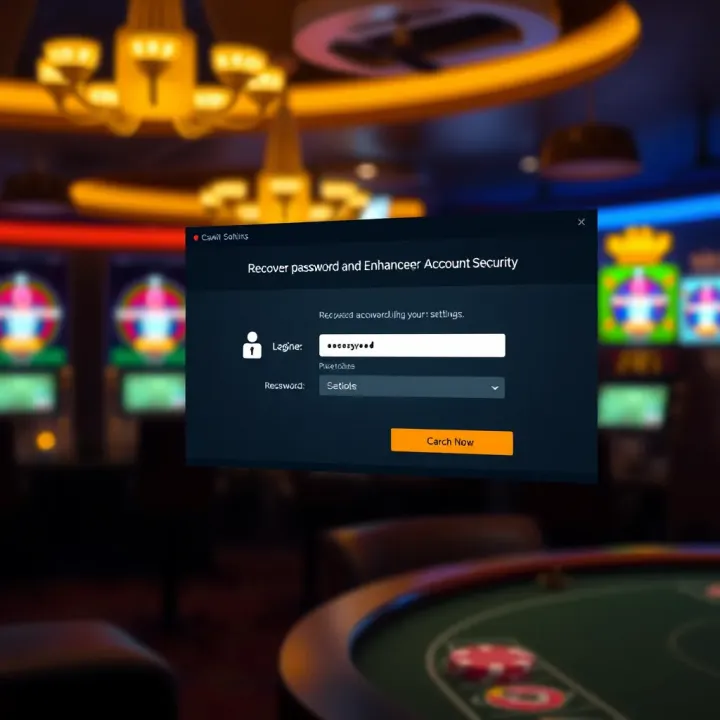
✈️ Learn how to log into your Aviator account easily, recover passwords, and boost security. Manage your Aviator services seamlessly, tailored for Nigerians.

🎮 Explore Aviator predictor bots—how they work, spotting risks, legal issues, and tips for Nigerian players seeking safer, smarter gaming paths without falling into traps.
Based on 11 reviews